Robots could shift power between countries by changing who can make goods, move supplies, protect borders, and control data. The outcome will depend less on robot counts than on access to chips, software, energy, factories, and skilled workers.
- Factory robots can reduce the labor needed for some tasks.
- Autonomous systems can keep working in places that are unsafe or hard to reach.
- Countries that control robot parts and software may gain influence beyond their own factories.
Factories could matter more than robot fleets
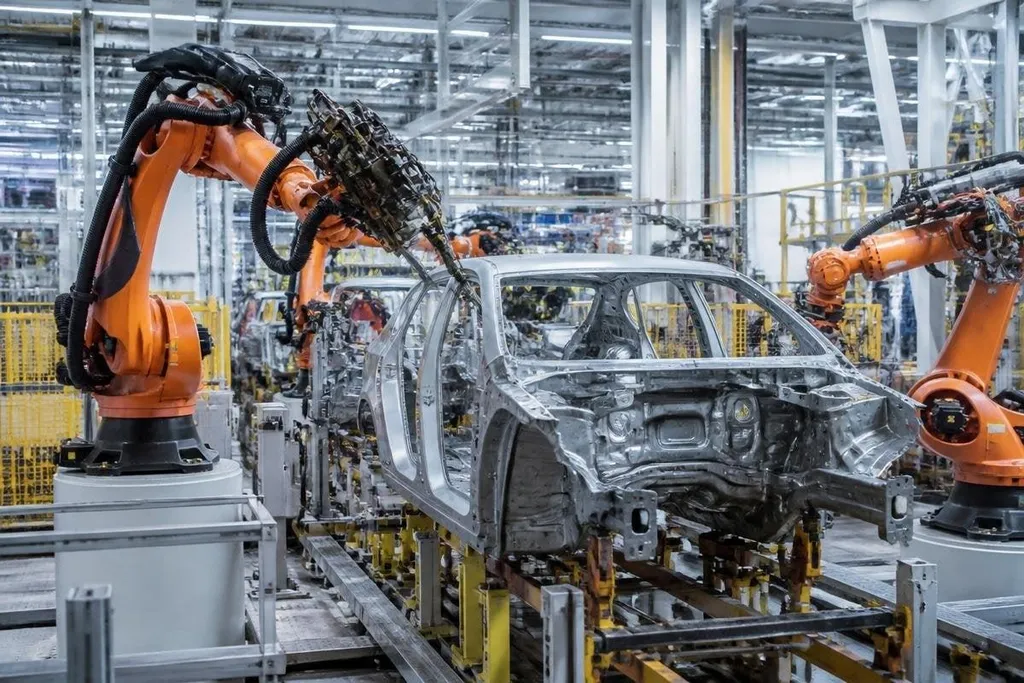
Industrial robots already handle repeatable work such as welding, picking, painting, and inspection. A country that can build and run these systems may produce more goods with fewer workers on each production line.
That does not mean people disappear from factories. Workers still install equipment, fix faults, check quality, write software, and manage production. The change is in the mix of skills a factory needs, which may favor places with strong technical training and reliable power.
Automation could also reduce the value of very low labor costs for some products. A company may place part of its production closer to customers if robots reduce the cost of running a smaller plant. Transport links, taxes, energy prices, and local skills would still shape that choice.
The result could split production into two groups. Some goods may move closer to buyers, while hard-to-automate work stays tied to regions with lower wages or special skills.
Supply chains will depend on parts and software
A robot is a physical system, but it also depends on sensors, motors, batteries, control software, and network links. A shortage in one of those parts can stop a machine that has no problem with its main task.
This gives suppliers of chips, actuators, machine tools, and robot software a larger place in national planning. Control over a widely used component may affect factories in many countries, especially when replacements need new software or a different safety setup.
Software adds another layer. An autonomous mobile robot uses maps, sensors, and motion rules to move through a work site. The company that updates those systems may learn how a facility runs, which creates questions about data access, cyberattacks, and remote control.
Military robots raise a harder evidence problem: a demo can show movement while saying little about target choice or human control. Military robotics reporting can tie those claims to named systems, test dates, and rules for human approval. The next section asks what changes when people send machines into combat.
Military robots raise the stakes
Robotics can change military power through surveillance, transport, mine removal, and systems that operate without a person sitting inside the vehicle. Uncrewed aircraft and ground vehicles may let a force inspect an area while keeping people farther from danger.
The hard part is control. A system that works well in a test area may struggle with blocked signals, damaged sensors, bad weather, or a changing target. A human operator may still need to confirm actions, and that link can fail when networks are attacked.
Production speed matters here too. A government may gain an advantage if it can build replacement machines, batteries, sensors, and control units during a long conflict. The same industrial base that supports commercial automation can support defense work, which makes export rules and supply agreements more important.
I’d watch production capacity and repair systems before robot videos. A machine that can be rebuilt after damage matters more than one that performs a clean task once.
The gains will not spread evenly
Robotics may widen the gap between countries that can buy complete systems and countries that can design, build, repair, and update them.
Buying a robot gives access to a task; owning the software, parts supply, and technical skills gives more control over the whole operation.
That gap may also appear inside countries. Large firms can pay for integration teams and new equipment, while smaller firms may struggle with setup costs, worker training, and software changes. Policy choices will shape who gets the gains from higher output.
Energy is another limit. More automated sites need dependable electricity, charging equipment, cooling, and network service. A country with weak power supply may own advanced machines and still fail to run them for long periods.
A practical test for national strength
Use these questions when judging a claim about robotics and power:
- Check the supply chain: Can the country make motors, sensors, batteries, chips, and machine tools?
- Count repair skills: Are technicians available to fix hardware and update software locally?
- Inspect the energy base: Can factories and charging sites get steady electricity?
- Separate demos from work: Has the system run repeated tasks outside a controlled test?
- Ask who owns the data: Can operators audit the maps, models, and remote links?
- Measure the workforce shift: Which jobs grow, and which tasks become less valuable?
These checks move the discussion away from robot shape and toward the systems that keep robots working. That is where global influence will be decided.
Countries will gain from robotics when they can connect machines to factories, energy, software, training, and repair. The open question is how many nations can build that chain without depending on a rival for one part of it.